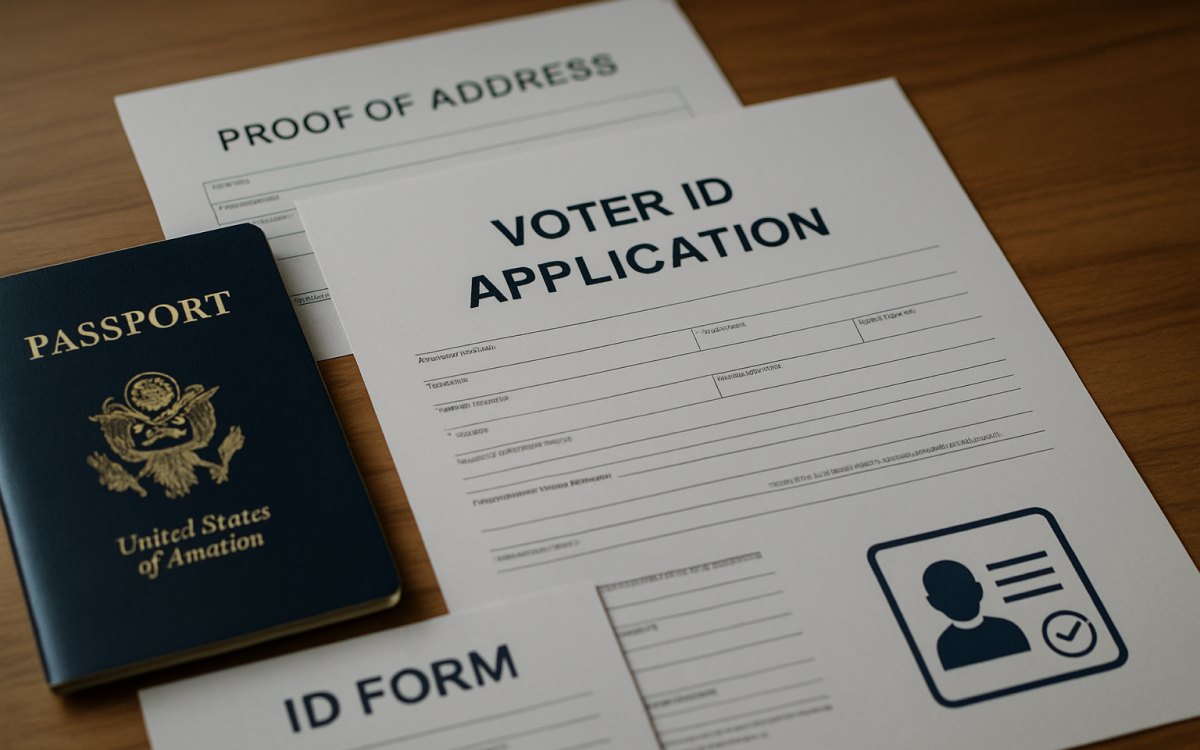
Applying for a voter ID becomes much easier when the required documents are clearly understood in advance. It is not just about eligibility to vote, but also about having a reliable identity document that is widely accepted. The process is designed to be simple, yet it depends heavily on accurate documentation. When the right proofs are prepared and organised, delays can be avoided, and verification can be completed smoothly. This guide explains what is needed and how each document supports the application.
Why Documentation Matters
Every application is built on verification. Personal details such as name, age, and residence must be confirmed through supporting documents before a voter ID can be issued. This ensures that records remain accurate and duplication is avoided. Without proper documentation, even a correctly filled application may face delays. Each document acts as a layer of validation, helping authorities confirm authenticity. When all proofs align with one another, the process tends to move forward without complications. Clear and consistent records are therefore essential. They not only support the application but also reduce the need for additional checks later. In addition, well-prepared documentation can help minimise back-and-forth communication during verification, making the overall experience more efficient.
The Required Documents
Proof of Identity
Identity verification is a key step in the application process. Documents submitted must clearly establish who the applicant is, with details that are easy to read and match across records. Commonly accepted identity proofs include:
- Passport
- Driving licence
- PAN card
- Aadhaar card
- Government-issued identity cards
Details such as name and photograph should be clearly visible. Any mismatch between documents may lead to delays or requests for clarification. It is often helpful if the photograph reflects the applicant’s current appearance, as this supports faster verification.
Consistency across documents is important. Even small differences in spelling can create complications, making it essential to review details before submission. Where possible, using a single primary document for reference can help maintain uniformity across records.
Proof of Address
Address verification helps link the applicant to a specific place of residence. This step is necessary for assigning the correct electoral area and maintaining organised records. Accepted address proofs include:
- Utility bills such as electricity, water, or gas
- Bank or post office passbooks
- Rental agreements
- Passport
- Aadhaar card
The address mentioned should be current and complete. If there has been a recent move, updated proof may be required to reflect the change. In cases where documents are not available in the applicant’s name, additional supporting papers may be needed. This ensures that residency can still be confirmed accurately. Providing clear and legible copies can further support quicker verification.
Proof of Age
Age eligibility must be established before a voter ID can be issued. A document that clearly shows the date of birth is required for this purpose. Common options include:
- Birth certificate
- School leaving certificate
- Passport
- PAN card
- Aadhaar card
The date of birth should be clearly printed and easy to verify. If multiple documents are available, choosing one with the most accurate details can help streamline the process. Consistency between identity and age proofs is also important. Matching information reduces the chances of verification delays. Where discrepancies exist, it is advisable that corrections are made beforehand to avoid complications later.
Photographs
A recent passport-sized photograph is required as part of the application. This image is used on the voter ID and plays an important role in identification. The photograph should:
- Be clear and in focus
- Have a plain background
- Show a neutral expression
- Avoid shadows or obstructions
Quality matters, as unclear images can affect recognition. If submitted digitally, the resolution should remain high to ensure proper printing. A natural appearance is recommended, as heavily edited images may not meet official standards. Keeping multiple copies ready can also be helpful for future use.
Self-Attestation and Verification
Documents submitted are generally required to be self-attested. This involves signing copies to confirm that they match the originals. Verification may be carried out to ensure authenticity. In some cases, details may be cross-checked through official records or local verification processes. Signing documents consistently can help maintain uniformity. Clear and genuine submissions reduce the likelihood of queries during review. Retaining copies of submitted documents can also be useful for reference if clarification is required later.
Documents for Special Situations
Certain situations may require additional documentation. These cases are handled individually to ensure that all applicants are fairly verified. For those who have recently changed residence, both previous and current address proofs may be required. Students or individuals living away from home may need to provide supporting declarations or agreements. Name changes may require legal documents to establish continuity between records. This helps ensure that all details are accurately linked. Providing complete documentation in such cases helps avoid delays and ensures that the application is processed smoothly. Keeping supporting documents organised can also make future updates easier to manage.
Organising Documents Effectively
Preparation plays an important role in ensuring a seamless application experience. Keeping documents organised makes it easier to complete the process without confusion. It is useful to:
- Keep both the original and photocopies ready
- Arrange documents by category
- Double-check details for consistency
- Store digital copies for easy access
A simple checklist can help ensure that nothing is missed. When everything is prepared in advance, the process becomes more efficient and less stressful. Labelling documents or using folders can further improve organisation. This makes it easier to locate specific papers quickly when required.
Common Mistakes to Avoid
Errors in documentation can slow down the application process. Being aware of common issues can help prevent unnecessary delays. Frequent mistakes include:
- Submitting unclear or low-quality copies
- Providing mismatched details across documents
- Using outdated address proof
- Forgetting to sign self-attested copies
Another common issue is incomplete information. Ensuring that all required fields are filled correctly can make a significant difference. Careful review before submission helps minimise these problems and supports a smoother process. Taking a few extra minutes to verify details can prevent longer delays later.
Conclusion
Obtaining a voter ID becomes straightforward when the required documents are clearly understood and properly arranged. Each document contributes to a reliable verification process, ensuring that records remain accurate and consistent. By focusing on clarity, preparation, and attention to detail, the entire process can be handled smoothly. Well-organised documents not only save time but also reduce the chances of delays. Maintaining updated records is equally important. When personal details remain consistent across all documents, future processes become easier to manage. A thoughtful approach to documentation ensures that everything moves forward without unnecessary interruptions.