Election season transforms daily life across towns, cities, and villages in remarkable ways. Streets become brighter, public spaces grow busier, and conversations shift towards leadership, development, and local priorities. Beyond television debates and online discussions, the real experience unfolds at ground level through rallies, community meetings, volunteer activities, and increased public engagement. From colourful banners to temporary campaign offices, every neighbourhood develops its own rhythm during this period. The atmosphere combines organisation, excitement, routine disruption, and civic participation, creating a unique environment that influences businesses, transport, media, and everyday interactions.
The Visible Transformation of Public Spaces
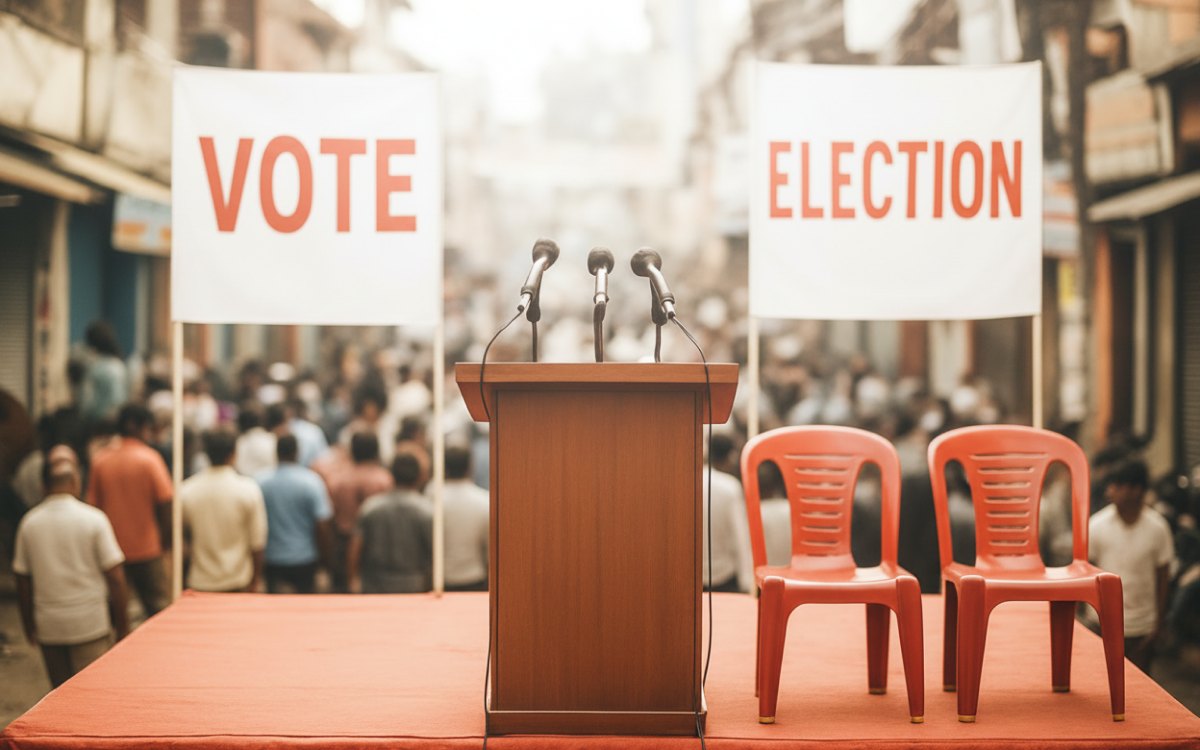
One of the first signs of election season is the noticeable change in public surroundings. Roadsides, marketplaces, and residential areas begin displaying banners, posters, and campaign materials. Temporary stages appear in open grounds while loudspeakers become common in busy neighbourhoods.
In many areas, walls are painted with slogans and campaign symbols. Vehicles carrying promotional material travel across localities throughout the day. Public grounds that usually host festivals or sporting events often become gathering spaces for campaign activities.
The transformation is not limited to urban centres. Smaller towns and villages also experience increased activity, with local markets and tea stalls becoming hubs of discussion. Even remote areas witness greater movement as campaign workers travel from one community to another.
How Local Communities Become More Active
Increased Public Interaction
Election season encourages higher levels of social interaction. Residents who may rarely discuss public matters during ordinary months begin engaging in conversations about roads, schools, transport, and employment opportunities.
Tea stalls, barber shops, cafés, and local markets become informal discussion centres. Community groups organise meetings where residents share expectations and concerns. Conversations often remain focused on development, public services, and everyday living conditions.
Participation Across Generations
Different age groups participate in unique ways. Younger people often assist with digital promotion, social media updates, and local organisation. Older residents may focus on community discussions and neighbourhood outreach.
First-time voters frequently show enthusiasm during this period. Educational institutions sometimes organise awareness programmes encouraging participation and explaining voting procedures. Families also discuss election-related topics more openly at home.
Campaigning Beyond Television Screens
Door-to-Door Outreach
Ground-level campaigning still relies heavily on direct interaction. Volunteers and campaign workers visit homes to introduce candidates and share printed material. In many places, they speak with shop owners, local residents, and community leaders personally.
This face-to-face communication remains important because it creates familiarity and trust. Residents often pay closer attention when approached directly rather than through digital advertising alone.
Small Community Gatherings
While large rallies attract media coverage, smaller local meetings play an equally important role. These gatherings may take place in community halls, housing societies, or open grounds.
Such meetings allow residents to ask questions and discuss practical concerns affecting daily life. Topics often include infrastructure, sanitation, transport, water supply, and public safety. The atmosphere is generally more conversational than formal.
The Role of Volunteers During Election Season
Organising Daily Activities
Volunteers form the backbone of campaign operations on the ground. Their responsibilities range from arranging transportation to distributing information materials. Many also coordinate schedules, manage crowd movement, and assist visitors during public meetings.
In several neighbourhoods, volunteers work long hours throughout the campaign period. They may help organise local events early in the morning and continue until late evening.
Digital and Offline Coordination
Modern election campaigns combine traditional outreach with digital communication. Volunteers often manage messaging groups, local announcements, and social media pages while also participating in physical events.
This blend of online and offline engagement has changed how information spreads during election season. Residents now receive updates through both personal interaction and mobile devices.
Changes in Daily Routine During Election Season
Traffic and Travel Patterns
Election activities frequently affect local transportation. Busy roads may experience temporary diversions because of rallies or public meetings. Additional security arrangements can also alter traffic movement in major areas.
Public transport systems often become more crowded during large campaign events. Drivers, commuters, and local businesses usually adapt quickly to these temporary changes.
Extended Working Hours for Local Services
Food vendors, printers, event organisers, and transportation providers often experience increased demand. Campaign offices require printed materials, stage equipment, refreshments, and logistical support.
Tea stalls and small eateries near campaign venues may remain open later than usual because of higher customer activity. Local businesses connected to event management sometimes experience one of their busiest periods during election months.
Media Presence at Ground Level
Constant Coverage Across Regions
Election season attracts heavy media attention. News crews travel extensively to cover rallies, public meetings, and local reactions. Reporters often visit smaller towns and neighbourhoods to understand regional concerns.
Residents sometimes become active participants in media conversations, sharing opinions and discussing local expectations. This visibility creates a sense of involvement even among people who are not directly connected to campaigns.
Rise of Local Content Creators
Apart from traditional media, local digital creators now document campaign activity through short videos, interviews, and online discussions. They capture everyday scenes from streets, marketplaces, and community gatherings.
This form of local reporting has expanded rapidly in recent years. Residents can now observe election-related activity from nearby areas through mobile platforms almost instantly.
Security and Administrative Preparations
Increased Public Arrangements
Election season requires detailed planning from administrative authorities. Security personnel become more visible near public venues, transport centres, and polling locations.
Barricades, traffic management systems, and temporary checkpoints may appear in several areas. Authorities also conduct awareness campaigns explaining voting schedules and public guidelines.
Preparation of Polling Centres
Schools, community halls, and public buildings are often prepared as polling centres. Temporary arrangements include seating areas, signage, and accessibility improvements.
In many places, local staff begin preparations well before polling day. Equipment testing, training sessions, and logistical coordination continue for several weeks leading up to voting.
Rural and Urban Experiences During Election Season
Urban Atmosphere
Cities usually witness fast-moving campaign activity with digital advertising, vehicle rallies, and organised public events. High population density creates a constant sense of movement and visibility.
Housing societies, marketplaces, and transport hubs become important locations for outreach. Campaign messages spread quickly through both physical interaction and online communication.
Rural Engagement
In villages and smaller towns, election season often feels more personal and community-driven. Campaign workers may spend extended time interacting with residents directly.
Meetings are commonly held in open spaces where people gather in groups to discuss local priorities. Word-of-mouth communication remains highly influential in such areas.
Polling Day on the Ground
Early Morning Activity
Polling day usually begins early, with officials, volunteers, and security personnel arriving before sunrise. Residents often queue outside polling centres soon after opening hours begin. The atmosphere tends to feel orderly and purposeful. Families, elderly citizens, and first-time voters arrive throughout the day to participate in the process.
Community Participation
Polling centres often become gathering points where neighbours meet and interact briefly. Local shops nearby may experience higher foot traffic because of increased public movement. Volunteers assist with directions, queue management, and voter guidance. Administrative teams monitor operations carefully to maintain smooth functioning.
Election season is far more than campaign speeches and televised coverage. On the ground, it becomes a period of heightened activity that influences transport, businesses, media, neighbourhood interactions, and daily routines. Streets become livelier, communities engage more actively, and public spaces transform into centres of discussion and organisation. From volunteers working long hours to residents participating in local conversations, the season reflects a large-scale civic exercise shaped by human interaction and collective participation. Its impact extends well beyond polling day, leaving behind memories of movement, engagement, and community involvement across every corner of society.