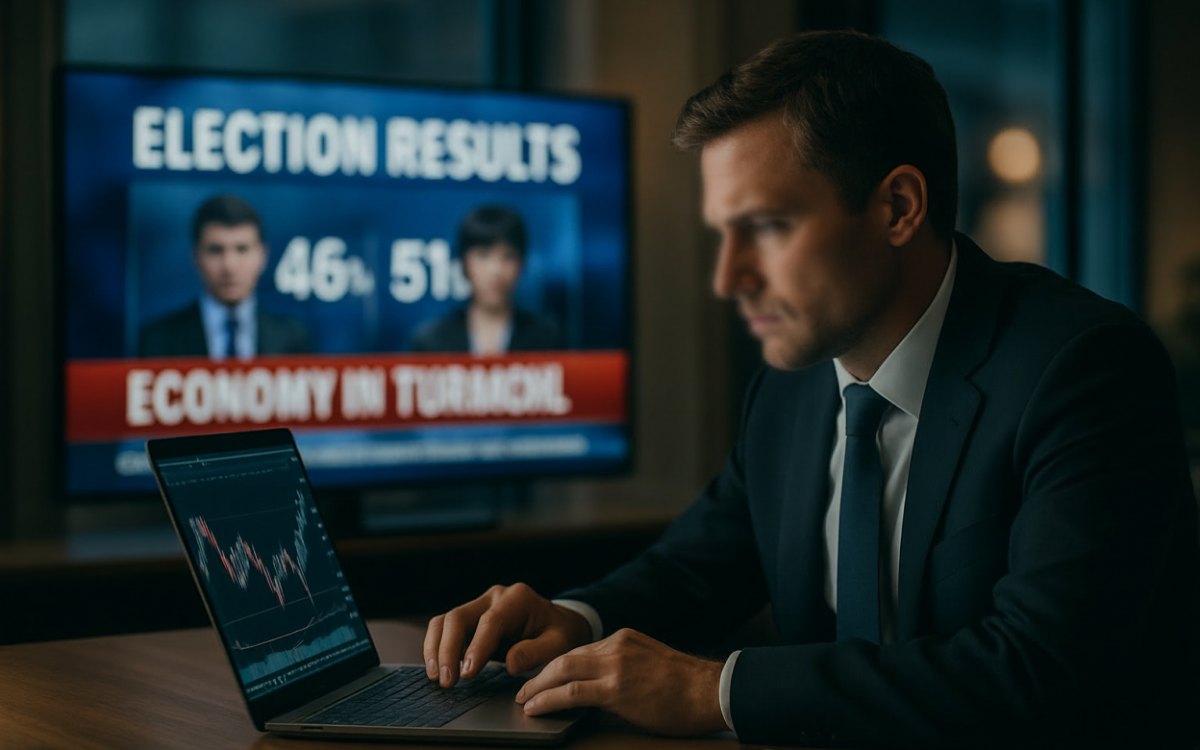
Elections are not only political events. They are also major economic activities that influence businesses, employment, advertising, transportation and local markets. During election periods, money moves rapidly through different sectors as political parties organise campaigns, rallies and outreach programmes. From small shop owners to large media companies, many industries experience financial shifts linked directly to election activity. Knowing the economics behind elections helps you see how political campaigns affect everyday economic life far beyond voting itself.
How Elections Become Large Economic Events
Modern elections require enormous financial planning. Political parties spend heavily on advertising, travel, public meetings, digital outreach, security, campaign workers and logistics. Every constituency becomes part of a temporary economic ecosystem driven by political activity.
For you as an ordinary citizen, elections may appear focused mainly on speeches and debates. However, behind every campaign lies a large operational network involving vendors, event organisers, printers, transport providers and communication teams.
Campaigns Create Temporary Economic Demand
During election seasons, local economies often experience short-term business growth. Hotels receive more bookings, transport operators see higher demand and food vendors benefit from increased public gatherings.
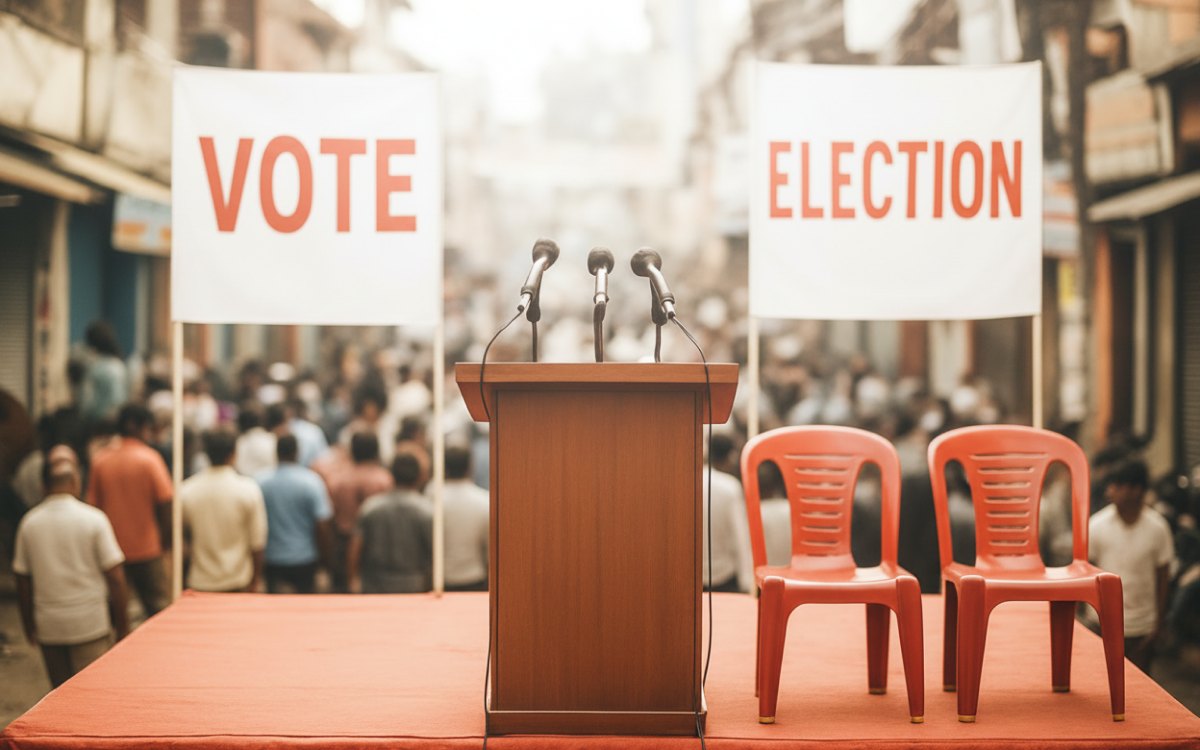
Political rallies alone require significant spending on stage construction, sound systems, lighting, seating arrangements and security management. Even small campaign meetings generate economic activity within local communities. This temporary rise in spending can create seasonal employment opportunities for thousands of people.
The Role of Advertising in Election Spending
Advertising remains one of the largest election expenses. Political parties compete aggressively for public attention through television, newspapers, social media, digital platforms and outdoor promotions. Campaign branding has become increasingly sophisticated. Parties now invest heavily in professional communication teams, data analysis and digital marketing strategies.
Digital Campaigning Changed Political Spending
Social media has transformed how campaigns communicate with voters. Online advertising allows parties to target specific age groups, regions and interests with customised political messaging.
Digital campaigns often involve video production teams, graphic designers, content writers and social media managers working continuously throughout election periods. While traditional print advertising still matters, digital outreach now consumes a growing share of campaign budgets.
Local Markets Often Experience Economic Surges
Election activity tends to ripple through local businesses in a very visible way, especially in the months leading up to voting day. Small shops that sell banners, coloured fabrics, party flags, printing materials, and a range of campaign‑related merchandise suddenly find themselves at the heart of a mini‑industrial boom. Printers stay busy running multiple shifts to churn out pamphlets, posters, and hoardings, while tailors and street‑side stalls stitch and bundle thousands of party‑branded caps, stoles, and T‑shirts. Even stationery shops see a spike in demand for markers, thermocol boards, and stands used for local street‑corner promotions. For these businesses, election season often feels like a concentrated festival of work, where a few frantic weeks can make or break their annual cash flow.
At the same time, transport services come alive in a similar way, as political parties and local organisers scramble to move people from one public meeting to the next. Depending on the size of the constituency, entire fleets of buses, mini‑buses, and auto‑racks are hired to shuttle supporters, workers, and volunteers to rallies, roadshows, and candidate‑courtyard meetings. Drivers and conductors negotiate long routes, sometimes into remote villages, where a single vehicle can carry dozens of people along dusty roads. Fuel stations, repair shops, and roadside eateries also benefit indirectly, as every movement of a party bus or a convoy of cars brings extra traffic, extra stops, and extra spending.
Small Businesses Benefit from Campaign Activity
For many small business owners, elections create temporary financial opportunities. Food stalls near rally locations may experience unusually high sales, while local accommodation providers may benefit from campaign staff and journalists travelling frequently.
Even local tailors, decorators and equipment rental businesses may receive additional work linked to election-related events. Although this economic boost is temporary, it can provide important income for small-scale operators.
Election Spending and Employment Opportunities
Large election campaigns require extensive manpower. Political parties hire temporary workers for crowd management, event coordination, digital communication, transportation and local outreach. Young adults often find short-term employment opportunities during election periods because campaigns require constant operational support.
Informal Employment Increases During Elections
Many campaign-related jobs operate informally and last only for the duration of the election cycle. Workers may assist with distributing promotional materials, organising local events or managing campaign offices. This creates a temporary labour market that expands rapidly during active campaigning periods. However, because much of this work remains short-term, the economic impact often fades once elections conclude.
The Influence of Media and News Coverage
Media organisations play a central role during elections because political campaigns rely heavily on visibility and public engagement. Television channels, newspapers, online publications and digital platforms all experience increased advertising activity during election seasons.
News Coverage Becomes Commercially Valuable
Election coverage often attracts higher viewership and online engagement. As a result, media companies may see increased advertising revenue during politically active periods. Political interviews, debates and public discussions become major audience drivers, making elections economically significant for the media industry itself.
Digital news platforms have also expanded rapidly because voters increasingly consume political content online rather than through traditional sources alone.
Campaign Financing and Financial Transparency
Campaign financing has become one of the most debated aspects of modern elections. Political parties require enormous financial resources, raising questions about transparency, donor influence and spending limits. Funding sources may include donations from individuals, corporations and political supporters.
Transparency Remains a Major Concern
Many citizens increasingly demand greater financial transparency in political funding. Concerns often arise regarding how campaign money is raised, spent and reported. Regulatory bodies attempt to monitor election spending to ensure compliance with financial rules and reporting standards. However, debates about transparency continue because election financing remains highly complex.
Technology and the Changing Nature of Campaign Economics
Technology now influences nearly every aspect of election management. Political campaigns increasingly rely on data analytics, voter profiling and digital outreach tools to improve campaign efficiency. Mobile communication, online fundraising and virtual campaigning have changed how political parties allocate resources.
Data-Driven Campaigns Increase Spending Efficiency
Digital technology allows campaigns to identify voter behaviour patterns more precisely. This helps parties focus spending on specific regions, demographic groups or political issues. As a result, election campaigns have become more targeted and commercially sophisticated than earlier generations of political outreach. Technology companies, marketing agencies and digital consultants now play a major role in campaign strategy.
Why Understanding Election Economics Matters
When you view elections only as political contests, you may overlook their broader financial impact. Elections influence businesses, employment patterns, media industries and consumer spending across multiple sectors. From local shopkeepers to large advertising agencies, many parts of the economy become connected to political campaigning.
Understanding the economics behind elections helps you see how political systems influence financial activity, public spending and market behaviour far beyond the act of voting itself.