Elections form the backbone of a democratic system, giving citizens the power to choose their representatives. The process may seem simple, but it involves careful planning, strict procedures, and advanced technology to ensure fairness. From registering as a voter to the final counting of votes, every stage follows a structured path. This guide walks you through how voting works, explaining each step clearly so you can better understand the journey from the polling booth to the declaration of results.
Role of the Election Authority
At the centre of the entire process is the Election Commission of India. This constitutional body is responsible for administering elections at both national and state levels. Its duties include preparing electoral rolls, scheduling elections, monitoring campaigns, and ensuring that the voting process is free and fair.
The Commission operates independently, which helps maintain neutrality. It also issues guidelines known as the Model Code of Conduct, which regulates the behaviour of candidates and parties during elections.
Voter Registration and Electoral Rolls
Before casting a vote, citizens must ensure they are registered. This is done through electoral rolls, which are official lists of eligible voters in each constituency.
Who Can Register
Any citizen aged 18 or above can apply to be included. Registration can be done online through official portals or offline by submitting forms to local authorities.
Verification Process
Applications are verified to confirm identity, age, and address. Once approved, the voter’s name is added to the electoral roll, and a voter ID card is issued. This card serves as proof of identity at polling stations.
Constituencies and Polling Stations
The country is divided into geographical areas known as constituencies. Each constituency elects one representative.
Within each constituency, multiple polling stations are set up. These are usually located in accessible places such as schools or community halls, ensuring that voters do not have to travel far.
Polling stations are carefully planned to manage voter turnout efficiently. Each station is assigned a fixed number of voters to avoid overcrowding.
Voting Process on Election Day
Arrival at the Polling Booth
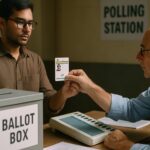
On election day, voters visit their assigned polling station. Entry is regulated to maintain order. Voters must carry valid identification, typically their voter ID card or another approved document.
Verification and Ink Marking
At the entrance, polling officials verify the voter’s identity against the electoral roll. Once confirmed, the voter’s finger is marked with indelible ink. This step prevents multiple voting.
Casting the Vote
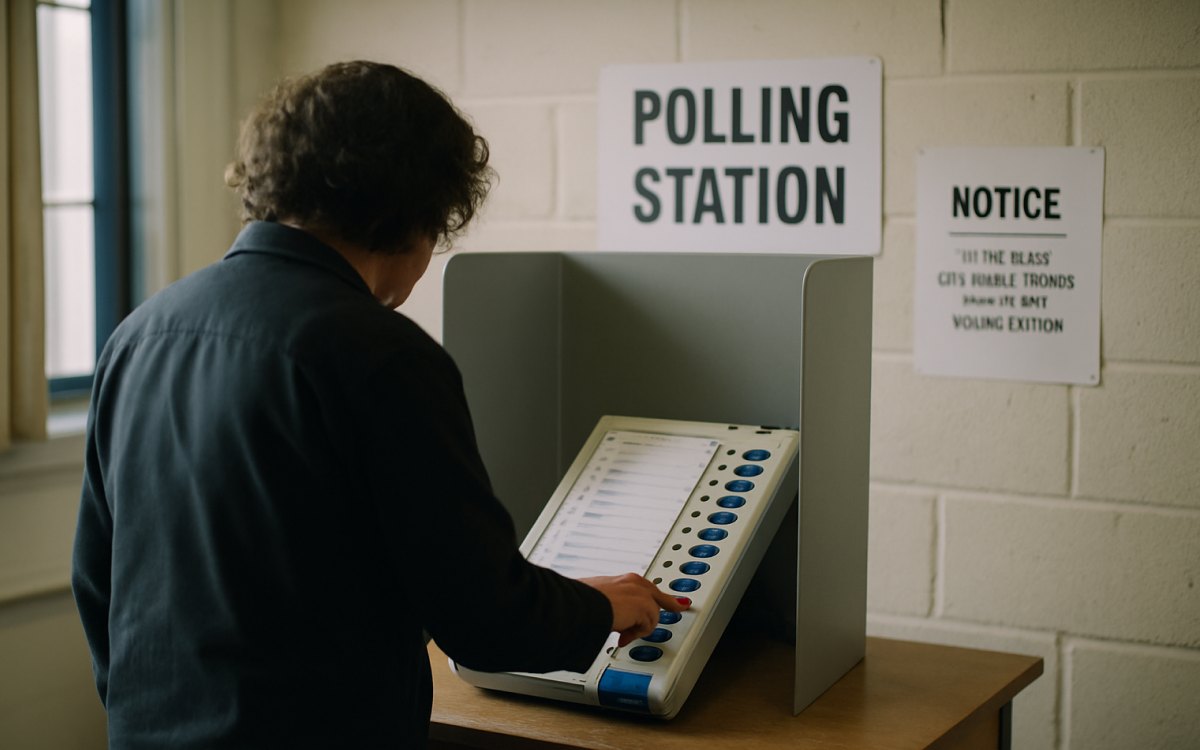
Voting is conducted using Electronic Voting Machines, commonly known as EVMs.
Once voting ends at a designated time, the polling station is closed, and the EVMs are sealed. Candidates’ representatives are allowed to observe this process. The machines are then transported under strict security to designated storage centres known as strong rooms. These rooms are guarded round the clock until counting day.
How EVMs Work
An EVM consists of two main units:
- The Control Unit, operated by polling staff
- The Ballot Unit, used by voters
The Ballot Unit displays the names and symbols of candidates. The voter presses a button next to their chosen candidate. A light indicator and a brief beep confirm that the vote has been recorded.
To enhance transparency, many polling stations also use Voter Verifiable Paper Audit Trail systems. The VVPAT allows voters to visually confirm their choice. After pressing the button, a paper slip is displayed briefly, showing the selected candidate’s name and symbol. This slip is stored securely for verification if needed.
Security Measures During Voting
Ensuring the integrity of elections is a priority. Several safeguards are in place.
- Polling stations are staffed by trained officials and monitored by security personnel. Observers may also be appointed to oversee the process.
- Before and after voting, EVMs are sealed in the presence of polling agents. This ensures that no tampering occurs.
- In many areas, CCTV cameras and live monitoring systems are used. This adds an extra layer of transparency.
Handling Special Voting Situations
Postal Ballots
Certain categories of voters, such as service personnel and those on election duty, can vote through postal ballots. These ballots are sent in advance and counted along with EVM votes.
Home Voting Options
Recent measures have introduced home voting for elderly citizens and persons with disabilities. This ensures inclusivity and accessibility.
Counting of Votes
Counting usually takes place a few days after polling. Special counting centres are set up, and security arrangements are tightened. The counting process involves multiple steps.
- Postal ballots are counted first
- EVM votes are counted next
- In selected cases, VVPAT slips may be verified
Each round of counting is recorded and shared with authorised representatives.
Declaration of Results
Once counting is complete, the candidate with the highest number of votes in a constituency is declared the winner. The results are officially announced and published through various channels, including the Commission’s website and media platforms.
Certificates of election are issued to winning candidates, allowing them to assume office.
Use of Technology in Elections
Technology plays a crucial role in making elections efficient and reliable.
- Online databases make it easier to update and access voter information.
- Modern EVMs are designed to be secure and tamper-proof. They operate independently of networks, reducing the risk of hacking.
- The Commission provides apps that help voters find polling stations, check registration status, and access election-related information.
The voting process is a carefully managed system designed to ensure that every eligible citizen can participate in choosing their representatives. From registration to result declaration, each step is governed by clear rules and supported by technology and security measures. Understanding how it works not only builds confidence in the system but also encourages greater participation. By being informed, voters can approach elections with clarity and make the most of their democratic rights.