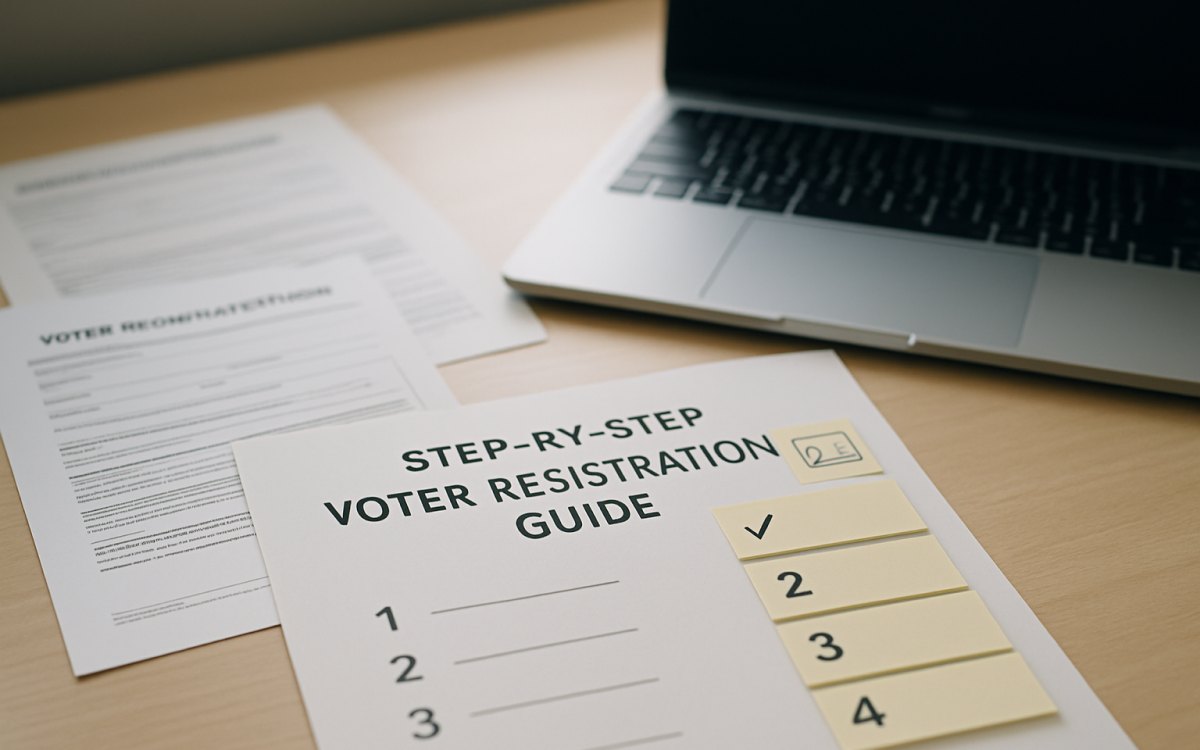
Participating in elections begins with ensuring one’s name is correctly listed on the official electoral roll. This step confirms eligibility and allows individuals to vote without difficulty. Although the process is designed to be straightforward, accuracy is important for avoiding delays. From preparing documents to completing verification, each stage contributes to successful registration. With a clear understanding of the steps involved, individuals can complete the process smoothly and be ready to vote when required.
Understanding Eligibility Requirements
Eligibility is based on a few clear conditions. An individual must be an Indian citizen and aged 18 or above on the qualifying date, usually 1st January of the year of electoral roll revision. The name should not already appear on the electoral roll in another constituency, as multiple registrations are not permitted.
Non-resident Indian citizens living abroad can also register as overseas electors in the electoral roll of their home constituency using the prescribed overseas voter application (Form 6A). Those who have recently turned 18 may apply once they fall within the qualifying period of the electoral roll revision. Individuals disqualified by law, such as those of unsound mind declared by a competent court or under certain criminal convictions, cannot be registered. Meeting these requirements ensures proper inclusion and allows individuals to vote in the correct constituency.
Preparing Required Documents
Before starting the registration process, it is helpful to gather all required documents. Having these ready avoids delays and supports smooth submission.
Commonly accepted documents include a recent passport-sized photograph, proof of age such as a birth certificate or passport, and proof of address such as a utility bill, bank statement, or rental agreement. An Aadhaar card may also be provided if available, although it is not mandatory.
Providing accurate and valid documents helps authorities verify details efficiently. Clear documentation reduces the chances of rejection and supports timely approval, making it easier to vote without complications.
Completing Online Registration via the Voter Portal
The National Voters’ Service Portal (NVSP) provides a convenient way to complete registration online. The platform is accessible at any time, allowing applicants to fill out forms from home. To begin, select the new voter registration option and complete Form 6. This form requires personal details, address information, and constituency selection. Supporting documents must be uploaded in a clear format before submission.
After submitting the form, an acknowledgement number is generated. This number can be used to track the application status. Completing the process accurately ensures that the application moves forward smoothly, helping individuals prepare to vote.
Completing Offline Registration at Local Offices
Offline registration is available for people who prefer to submit their forms in person. Individuals can visit the Electoral Registration Officer (ERO) or the Booth Level Officer (BLO) assigned to their area.
A physical copy of Form 6 must be completed and submitted, along with self-attested copies of the required documents and a photograph. Local administrative offices can guide applicants to the correct submission point.
A receipt is provided upon submission and can be used to follow up on the application. This method offers a structured alternative for those who prefer direct interaction when completing the registration process.
Filling Form 6 Accurately
Form 6 is the standard application used for new voter enrolment. Each section must be completed carefully to avoid delays during processing. Details such as name, date of birth, and address should match those on the supporting documents exactly. Even minor spelling differences can lead to verification issues. The address provided should reflect the ordinary place of residence rather than a temporary location. Careful completion of Form 6 helps ensure that the application is accepted without corrections, allowing individuals to progress towards eligibility to vote.
Understanding the Verification and Approval Process
After submission, the application is reviewed by officials. In some cases, a Booth Level Officer may visit the residence to verify the information provided. This step ensures that the electoral roll remains accurate and reliable.
Once verification is complete, the application is either approved or returned for correction. Approved applications result in the applicant’s name being added to the electoral roll. This confirms eligibility and allows the individual to vote in elections assigned to their constituency.
Tracking Application Status
Applicants can track the progress of their registration using the acknowledgement number provided during submission. Online portals provide status updates indicating whether the application is under review, approved, or requires correction.
For offline submissions, updates may be obtained through local offices. Monitoring the status helps ensure that any issues are addressed promptly. Once approved, individuals can be confident that they are eligible to vote when needed.
Receiving the Voter Identification Card
After approval, a voter identification card, commonly known as an EPIC card, is issued. This card acts as proof of registration and is widely accepted as an identity document. The card may be delivered by post or made available for collection at a designated centre. Keeping it safe helps ensure a smooth experience at the polling station. Having the card readily available supports a straightforward process when arriving to vote.
Updating or Correcting Voter Details
Changes in personal details may require updates to the electoral roll. Address changes, name corrections, or photograph updates can be requested through specific forms. Form 8 is used to correct existing details, apply for a change of residence, replace a lost or damaged EPIC, or mark a person with a disability (PwD), in accordance with the current Election Commission guidelines. These services are available both online and offline.
Keeping records up to date ensures that information remains accurate. This is especially important when relocating, as it determines where an individual can vote.
Using the Voter Helpline App
The Voter Helpline app provides an accessible way to manage registration and related services. Available on mobile platforms, it allows users to apply, check their status, and locate polling stations.
The app also provides updates on electoral roll revisions and application timelines. Access to these features helps individuals stay informed and ensures they are ready to vote without confusion.
Avoiding Common Application Errors
Certain mistakes can delay or affect the registration process. Blurry document uploads, incomplete forms, and mismatched details are among the most common issues. Using a temporary or incorrect address can also lead to complications during verification. Reviewing all information before submission helps reduce these errors. Avoiding such mistakes ensures that applications are processed efficiently, allowing individuals to vote without unnecessary interruptions.
Importance of Electoral Registration
Being included in the electoral roll is essential for participating in elections. Registration confirms eligibility and ensures that each individual has the opportunity to vote in their constituency. Accurate records also support the organisation of elections by maintaining clarity and structure. This helps polling processes function efficiently and ensures that participation remains accessible to all eligible individuals.
Conclusion
Registering as a voter involves a series of clear and manageable steps. From checking eligibility to completing Form 6 and verifying details, each stage contributes to successful enrolment. Keeping information accurate and up to date further supports a smooth experience. Once registered, individuals are eligible to vote in elections for their area. With careful attention to detail, the process remains straightforward and accessible for all eligible applicants.