Electronic Voting Machines (EVMs) simplify the voting process with clear buttons and instant feedback, but pressing the wrong one can raise concerns for users. It helps to know what occurs mechanically and procedurally when a mistake happens. Also, it is essential to focus on safeguards like audio signals, visual lamps, and Voter Verifiable Paper Audit Trail (VVPAT) slips. Eligible persons can approach polling officials for assistance under established rules, ensuring the process remains fair and transparent without any disruption. Understanding these steps builds confidence in handling such situations effectively.
EVM Button Mechanics
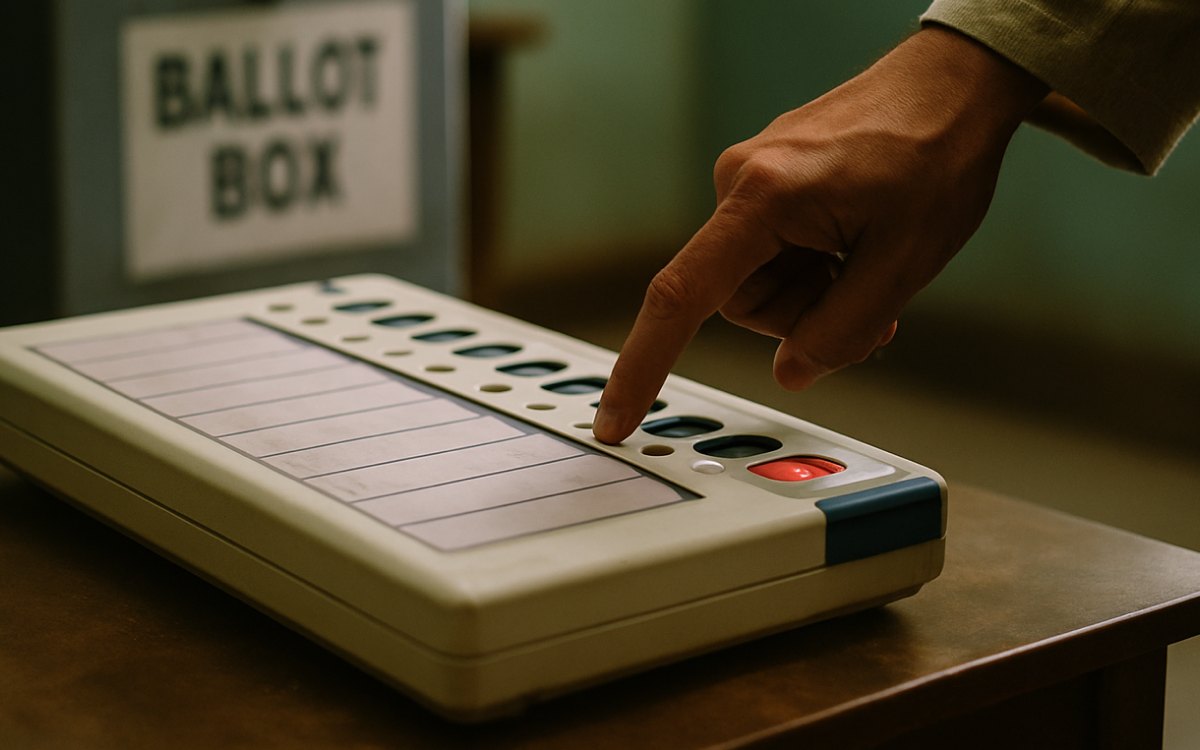
EVMs feature a Balloting Unit with candidate symbols and blue buttons for selection. When a person presses a button, two immediate indicators activate: the lamp above the chosen symbol lights up red, and a long beep sounds, confirming the vote recording. These audio-visual cues alert the user instantly, leaving no doubt about the selection made.
After this confirmation, the machine locks out further inputs from that voter to prevent multiple votes. The VVPAT unit then prints a paper slip visible for seven seconds, displaying the candidate’s name and symbol for personal verification before it drops into a sealed box. This layered confirmation minimizes confusion during the brief voting time allotted.
Immediate Effects of Wrong Press
Pressing the wrong button records that vote irrevocably for the selected candidate unless officials intervene promptly. The user hears the beep and sees the red lamp, signaling the machine has processed the input. No additional buttons respond, as the system design ensures one vote per eligible person per ballot release.
The VVPAT slip provides a final check; if it mismatches the intent, the person must alert the polling staff before leaving the compartment. This moment allows for quick clarification without affecting others in the queue. The process prioritizes accuracy through these built-in alerts.
Role of Polling Officials
Polling officers monitor the Control Unit, which connects to the Balloting Unit. If a user reports a mistake immediately after the beep and lamp activation, the Presiding Officer can release a fresh ballot by pressing the designated button on the Control Unit. This resets the Balloting Unit, allowing the person to cast the intended vote while nullifying the erroneous one.
Under Rule 49MA of the Conduct of Elections Rules, 1961, the Presiding Officer requests a written declaration from the claimant asserting the vote was incorrect. The officer then permits a test vote in their presence, observing the VVPAT slip to verify the claim. If confirmed valid, further action follows swiftly.
Verification and Test Vote Process
The test vote involves the user selecting again on the same machine under supervision. The Presiding Officer watches the VVPAT slip emerge, confirming whether it aligns with the declaration. This step ensures transparency, as the slip’s details match the machine’s record.
Should the test reveal a genuine error, the officer reports to the Returning Officer without delay. Voting on that machine pauses temporarily, and instructions from higher authorities guide the next steps, such as machine replacement. All actions occur in the presence of polling agents for accountability.
Machine Replacement Protocols
Reserve EVM sets stand ready at each polling station, handled by sector magistrates. If a wrong press leads to a verified issue requiring machine halt, technicians swap the full set, including Control Unit, Balloting Unit, and VVPAT, with a new one. Votes recorded up to the fault remain secure in the original Control Unit’s memory.
Polling resumes seamlessly on the replacement, starting from the next voter. On counting day, both machines’ data aggregate for that station’s total, maintaining continuity. Polling agents witness the swap, and logs document every detail for audit trails.
VVPAT’s Safeguard Features
VVPAT enhances trust by producing a verifiable paper record for each vote. The seven-second window lets users confirm their choice visually before the slip seals away. If a wrong button press occurs, this slip serves as evidence during the Rule 49MA declaration process.
In rare malfunction cases tied to input errors, only the VVPAT unit swaps if needed, preserving Control Unit data. Random VVPAT audits post-election cross-check machine counts, adding an extra layer of reliability.
Common Misconceptions Clarified
Many believe a wrong press voids the entire ballot or disrupts the queue significantly. In reality, the machine’s lockout prevents over-voting, and official intervention handles isolated cases efficiently. Another myth suggests no correction possible; Rule 49MA explicitly allows supervised resolution.
Users sometimes confuse the beep with a reversible action, but the red lamp clarifies finality unless addressed immediately. These features, tested over years, ensure minimal impact from human error.
Preparing for Polling Day
Eligible persons should carry their voter slip and photo ID to the booth. The staff at the booth guides them through the process involving signature, ballot release, and compartment entry. Once inside, it is essential to select a candidate properly, verify VVPAT, and exit confidently.
Tips to Avoid Wrong Presses
It is important to approach the EVM calmly, while taking the full time to scan symbols and buttons. A quick pause before pressing confirms the choice, as the layout mimics sample demos shown pre-polling. Also, taking deep breaths can reduce haste, especially in crowded booths.
Familiarity too helps. One can practice with mock polls or booth displays outside. If unsure, they can request a demonstration from staff before entering. This is generally allowed without revealing preference. If necessary, one can use clear vision aids like glasses to ensure symbols are read accurately.
EVMs provide audio-visual feedback, VVPAT verification, and Rule 49MA protocols to correct wrong button presses swiftly. Users should alert polling staff immediately for supervised resolution using reserves, ensuring minimal disruption and accurate voting. Pause, confirm choices, and seek help for confident participation.