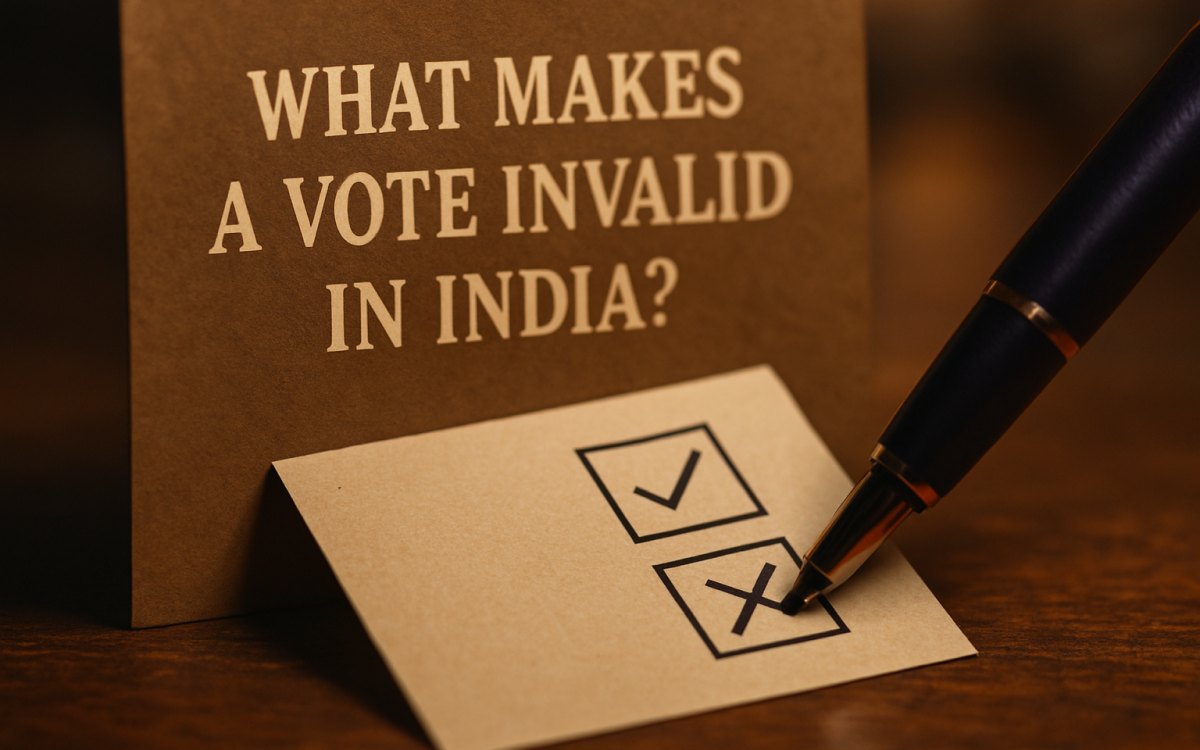
Casting a ballot is expected to be a straightforward process, yet certain errors can lead to a vote being declared invalid. Many individuals remain unaware of what actions or mistakes may cause this outcome. From incorrect markings to procedural oversights, several factors are considered during the counting process. Understanding these aspects helps reduce confusion and ensures that participation is meaningful. A clear explanation of invalidation criteria can make the process easier to navigate and more reliable for everyone involved.
What is an Invalid Vote?
An invalid vote refers to a ballot that cannot be counted during the tallying process. This usually happens when the intention of the voter is not clear or when the ballot does not meet prescribed guidelines. Such ballots are separated during counting and are not included in the final result. The purpose of invalidation is to maintain accuracy and fairness, ensuring that only properly cast ballots are considered. Clarity of choice is the most important factor. If the selection cannot be determined with certainty, the ballot is treated as invalid.
Incorrect Marking on the Ballot
Errors in marking are one of the most common reasons for invalidation. Ballots are designed with specific instructions on how a choice should be indicated. If multiple options are marked when only one is allowed, confusion is created. Similarly, if the mark is unclear, faint, or placed outside the designated area, it may not be recognised. In paper-based systems, the use of unauthorised symbols or markings can also lead to rejection. Any deviation from the expected method of marking may prevent the ballot from being counted.
Multiple Selections When Only One Is Allowed
A ballot is often invalidated when more than one option is selected in a category where only a single choice is permitted. This situation makes it impossible to determine the voter’s intention. Even if one selection appears more prominent than the others, the presence of multiple marks creates ambiguity. The counting process relies on clear and singular choices. When this condition is not met, the ballot cannot be included in the final count.
Damage or Alteration to the Ballot
Physical condition plays an important role in determining validity. Ballots that are torn, heavily smudged, or altered may be rejected. Damage that affects readability can make it difficult to identify the selected option. Similarly, any form of tampering or overwriting raises concerns about authenticity. Maintaining the integrity of the ballot ensures that the process remains secure and transparent. Any compromise in this regard can result in invalidation.
Use of Unauthorised Writing or Symbols
Ballots are meant to follow a standard format, and any additional writing can interfere with interpretation. If names, comments, or symbols are added beyond what is required, the ballot may be considered invalid. Such markings can create confusion or raise questions about intent. Even seemingly harmless additions can affect how the ballot is evaluated. For this reason, it is important that only the prescribed method of marking is used.
Failure to Follow Instructions Provided
Instructions are usually provided at the polling station or on the ballot itself. These guidelines explain how to mark choices correctly and what actions should be avoided. Ignoring these instructions can lead to errors that result in invalidation. For example, using the wrong marking tool or failing to place the mark in the correct area may cause issues. Adhering to the instructions ensures that the ballot is processed without complications. It also reduces the likelihood of rejection during counting.
Issues Related to Identity or Verification
In some cases, invalidation may occur due to verification concerns rather than marking errors. If proper identification is not established or if discrepancies are found during the verification process, participation may not be accepted. This can prevent the ballot from being considered valid. Ensuring that all verification requirements are met helps avoid such situations. Proper documentation and accurate details play a key role in this aspect.
Electronic Voting and Invalid Inputs
Electronic systems are designed to minimise the chances of invalidation, but certain issues can still arise. If the process is interrupted or if the selection is not properly recorded, the input may not be counted. However, safeguards are usually in place to reduce such occurrences. These systems are structured to guide the user step by step, making it easier to cast a valid ballot. Even so, careful attention is still required during the process.
Common Misunderstandings About Invalid Votes
Several misconceptions exist regarding what causes a ballot to be rejected. One common belief is that minor imperfections always lead to invalidation. In reality, only those issues that affect clarity or compliance are considered. Another misunderstanding is that all damaged ballots are rejected. Slight wear may be acceptable if the selection remains clear. There is also confusion about whether corrections are allowed. In most cases, alterations can create ambiguity and may result in invalidation.
How to Avoid Casting an Invalid Vote
Awareness and preparation can significantly reduce the chances of invalidation. Carefully reading the instructions before marking the ballot is essential. Ensuring that only one option is selected and that the mark is clear can prevent common errors. Using the correct method and avoiding unnecessary markings also helps maintain validity. By following these simple steps, the process can be completed smoothly and without complications.
Polling Officials also Determine Validity
Decisions regarding validity are not made randomly but are guided by established procedures. Polling officials and counting staff are trained to assess each ballot carefully based on predefined criteria. Their role involves examining whether the ballot follows the required format and whether the intention is clearly expressed. Consistency is maintained by applying the same standards to all ballots during the counting process. This structured evaluation helps ensure fairness and reduces the chances of subjective interpretation. It also reinforces trust in the process, as each ballot is reviewed with equal attention and care.
Final Thoughts on Validity in Voting
The process of determining validity is based on clarity, accuracy, and adherence to guidelines. Each ballot is evaluated to ensure that the intention is clearly expressed and properly recorded. While mistakes can occur, most can be avoided through careful attention and understanding of the process. The system is designed to be straightforward, but it relies on correct participation to function effectively. A well-cast ballot ensures that the effort to participate is fully recognised, making the process meaningful and reliable for everyone involved.