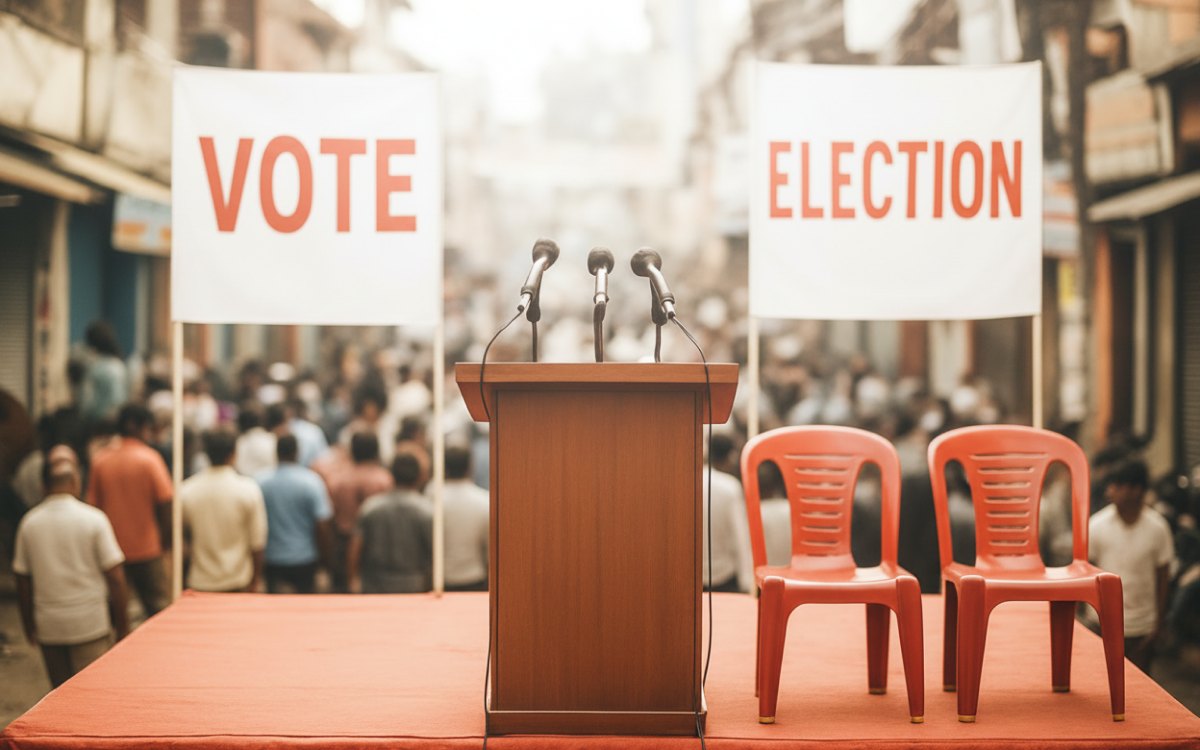
Voting is one of the simplest yet most important ways individuals participate in a democratic system. It allows people to express their preferences and contribute to collective decision-making in an organised manner. While the process itself may seem straightforward, its impact extends far beyond a single act. Understanding why voting matters helps highlight its role in maintaining balance, accountability, and representation within a democratic framework, while also reinforcing the value of active and informed participation.
Understanding the Role of Voting
At its core, voting is a structured way for individuals to take part in shaping governance. It provides a method through which people can express their choices and ensure that their voices are included in decision-making processes.
In a democracy, participation is a shared responsibility. Voting allows individuals to contribute to outcomes that affect communities and everyday life. This involvement strengthens the connection between people and the systems that serve them.
Ensuring Representation
One of the key purposes of voting is to ensure representation. Through voting, individuals choose representatives who will act on behalf of larger groups. This process ensures that different perspectives are included in decision-making.
Representation is important because it reflects the diversity of society. When more people participate in voting, the resulting representation becomes more balanced and inclusive.
Strengthening Accountability
Voting plays an important role in maintaining accountability. When individuals participate regularly, it reinforces the idea that representatives are answerable to the public.
This accountability encourages responsible decision-making and promotes transparency. The act of voting helps maintain a system where performance and responsibility remain important.
Encouraging Civic Responsibility
Participating in voting also promotes a sense of civic responsibility. It reminds individuals that they are part of a larger system where collective participation matters.
This sense of responsibility extends beyond the act of voting. It encourages awareness, engagement, and interest in public processes. Over time, this contributes to a more informed and active society.
Promoting Stability and Continuity
Voting contributes to stability within a democratic system. Regular participation ensures that processes remain structured and consistent over time.
A stable system allows for continuity in governance and planning. It creates an environment where changes can occur in an organised manner without disruption.
This continuity supports long-term development and consistent progress.
Giving a Voice to Individuals
Voting provides individuals with a direct way to express their views. It ensures that each person has an equal opportunity to contribute to decision-making.
This equality is an important feature of democracy. Regardless of background or status, every vote carries the same value. This principle reinforces fairness and inclusiveness within the system.
Encouraging Participation Across Communities
When people from different communities participate in voting, it strengthens the democratic process. Broad participation ensures that a wide range of perspectives is considered.
This inclusiveness helps create decisions that reflect the needs and priorities of diverse groups. It also promotes a sense of belonging and shared responsibility.
The Importance of Informed Voting
While participation is important, informed participation adds greater value. Understanding available choices and evaluating them carefully helps individuals make meaningful decisions.
Being informed involves awareness of issues, processes, and responsibilities. It encourages thoughtful participation rather than passive involvement.
This approach enhances the overall effectiveness of voting within a democratic system.
Voting and Long-Term Impact
The impact of voting extends beyond immediate outcomes. Each voting cycle contributes to long-term patterns that shape governance and development.
Consistent participation helps maintain continuity and supports gradual improvement. Over time, this contributes to the strength and resilience of democratic systems.
Understanding this long-term perspective highlights the importance of regular participation.
Overcoming Common Barriers
Some individuals may feel that a single vote does not make a difference. However, the strength of a democracy lies in collective participation.
When more people vote, the overall system becomes stronger and more representative. Addressing common barriers, such as a lack of awareness or motivation, can help improve participation rates.
Encouraging involvement at all levels supports a more inclusive process.
The Role of Young Voters
Young individuals entering the voting system play an important role in shaping the future. Their participation introduces new perspectives and ideas.
Encouraging early engagement helps build lifelong habits of participation. It also strengthens the connection between younger generations and democratic processes.
This involvement supports continuity and ensures that the system remains dynamic.
Maintaining the Value of Voting
The value of voting depends on continued participation and respect for the process. Maintaining trust in the system requires consistent engagement and adherence to established procedures.
Respecting the process ensures that it remains fair and reliable. It also reinforces the importance of participation as a shared responsibility.
When individuals recognise the value of their vote, they are more likely to engage actively.
Building a Strong Democratic Culture
Voting contributes to the development of a strong democratic culture. It encourages participation, responsibility, and awareness across society.
A culture that values voting supports open dialogue and mutual respect. It helps create an environment where individuals feel connected to collective outcomes.
This cultural foundation strengthens the overall democratic system.
Conclusion
Voting is a fundamental part of a democratic system. By offering individuals a meaningful way to participate in collective decision-making, it reinforces the idea that democracy is ‘by the people’. It supports representation, accountability, and inclusiveness while encouraging civic responsibility.
By understanding its importance and participating thoughtfully, individuals contribute to a stable and balanced system. Voting is not just an act but a reflection of shared responsibility, helping maintain a system that values fairness, participation, and continuity over time.